
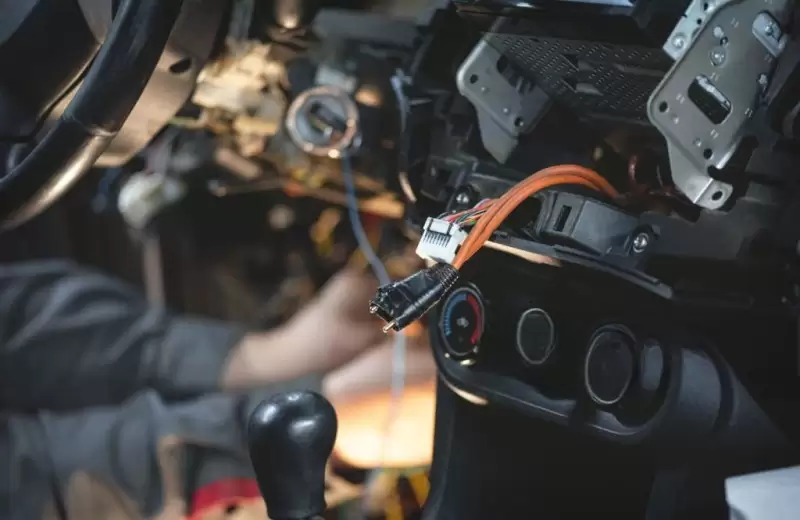
When you're working with automotive electrical systems, you're not just wrapping wires - you're building the nervous system of a vehicle that must survive brutal conditions. The difference between a repair that lasts for years and one that fails in months often comes down to the PVC electrical insulation tape you choose. Let's look beyond the basic specs and examine what really makes automotive-grade tape perform when it matters most.
The Automotive Environment: Where Ordinary Tape Fails
Under the hood isn't just hot - it's a perfect storm of destructive forces. I've seen tape failures that caused everything from minor electrical gremlins to complete vehicle breakdowns. The reality is, your tape faces:
• Temperature swings from -40°C during winter starts to 105°C+ in summer traffic
• Constant vibration that can shake apart poorly adhered seams
• Chemical exposure to oil, fuel, coolant, and cleaning solvents
• Mechanical stress from wire movement and technician handling
Reading Between the Specs: What the Numbers Actually Mean for Your Work
1.Thickness & Durability: The 0.13mm vs 0.18mm Decision
Looking at our QKD product line, the thickness specification isn't just about bulk - it's about strategic protection. The IEA-FT-130 at 0.13mm provides excellent flexibility for tight spaces while maintaining solid protection. But when you're working in high-abrasion areas or need maximum impact resistance, the IEA-FT-180 at 0.18mm delivers that extra margin of safety. I've found the thicker tape particularly valuable near suspension components and in commercial vehicle applications where wire chafing is a constant concern.
2.Tensile Strength: Surviving the Pull Test
The tensile strength rating - ranging from 13 N/cm in our entry-level tapes to 22 N/cm in our premium formulations - tells you how much mechanical stress the tape can handle during installation and throughout its service life. This isn't just about brute strength; it's about the tape maintaining integrity when wires get snagged during installation or when vibration creates constant tension.
3.Elongation: The Secret to Vibration Resistance
The >100% elongation rating across our product line might seem like a minor detail, but it's actually crucial for long-term performance. This elasticity allows the tape to absorb vibration without developing micro-tears that eventually lead to complete failure. I've compared tapes side-by-side, and the difference in vibration resistance between tapes with proper elongation and those without becomes apparent within just a few months of daily driving.
4.Adhesion Performance: The Make-or-Break Specification
The adhesion to steel rating (typically 3.5-4.25 N/cm in our products) ensures the tape stays where you put it. But what matters more is how this adhesion holds up over time and across temperature cycles. Our formulations maintain consistent adhesion from cold starts to operating temperatures without the adhesive oozing that plagues inferior products.

The QKD Difference: Engineering Behind the Specifications
Walking through our 15,000-square-meter manufacturing facility, I see how our 45 patents and 200+ specialized formulations translate into real-world performance. We don't just mix PVC and adhesive - we engineer them to work together specifically for automotive challenges.
Our complete control over the manufacturing process, from raw material synthesis to precision coating, means we can guarantee that every PVC insulation tape roll performs exactly as specified. This consistency is why major automotive manufacturers trust us for their OEM/ODM needs and why professionals reach for our black PVC electrical tape when failure isn't an option.
Application Insights: Making the Specifications Work for You
Through years of working with automotive technicians, I've learned that proper application makes the specifications meaningful. Here's how to maximize performance:
1.Surface Preparation: The Foundation of Reliability
Always start with a clean, dry surface. I recommend using electrical contact cleaner rather than generic solvents, which can leave residues that compromise adhesion over time. For best results, wipe the wire with a lint-free cloth after cleaning.
2.The Professional Wrap Technique
Don't just wrap - stretch the tape about 25% during application to activate the adhesive and create a conforming seal. Maintain consistent 50% overlap, and for critical applications, add an extra half-wrap at the start and finish points to prevent edge lifting.
Choosing the Right Tape for the Job
Match the tape to the application:
• General wiring: Standard PVC electrical insulation tape (0.13mm, 600V rating)
• High-temperature areas: Premium formulations with enhanced thermal stability
• Critical systems: Heavy-duty electrical harness tape with maximum mechanical protection
• Color-coding: Use our full color range for easy circuit identification
FAQ: Professional Questions Answered
Q: How does automotive electrical tape differ from hardware store varieties?
A: Automotive-grade PVC tape for electrical wires offers superior temperature tolerance, vibration resistance, and chemical compatibility. The specifications are tailored to survive under-hood conditions that would destroy standard electrical tape within months.
Q: What thickness provides the best balance of protection and flexibility?
A: For most applications, 0.13mm strikes the ideal balance. The IEA-FT-130 in our lineup provides excellent protection without excessive bulk. Reserve 0.18mm thickness for high-abrasion areas or when maximum mechanical protection is required.
Q: How long should quality automotive electrical tape last?
A: When properly selected and applied, our automotive wiring tape typically lasts 5-8 years. In demanding applications, we recommend inspection every 2-3 years for signs of UV degradation, chemical swelling, or adhesive breakdown.
Q: Does color affect performance in automotive applications?
A: While all colors provide similar electrical insulation, black PVC electrical insulation tape typically includes additional UV stabilizers for extended service life in exposed applications. Lighter colors may show dirt and degradation more quickly.
Q: When should I consider custom-formulated tape?
A: Our OEM/ODM services become valuable when you face unique challenges: extreme temperature requirements, specific chemical resistance needs, or unusual application environments. We've developed custom solutions for everything from racing applications to military vehicles.
The Bottom Line: Specifications That Build Trust
In the world of automotive electrical systems, the tape you choose isn't just a commodity - it's insurance. The specifications we've discussed represent your assurance that the PVC insulation tape roll you're using will perform when temperatures soar, vibrations intensify, and years have passed since installation.
At QKD, we've built our reputation on making sure every tape that leaves our facility not only meets the specifications on the data sheet but exceeds the expectations of the professionals who use it every day. Because in automotive electrical work, there's no such thing as "good enough" - there's only "built to last."
