
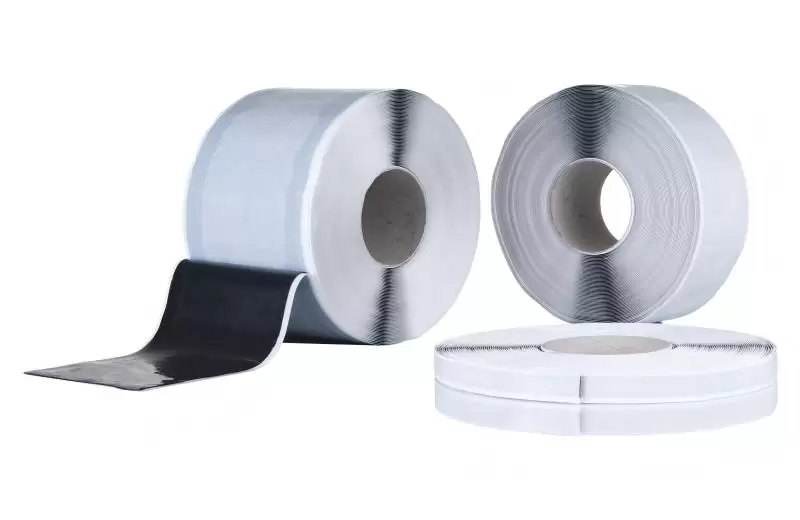
You're standing in the hardware aisle, staring at rolls of butyl tape and tubes of silicone sealant. Both promise to seal out water and air. Both have loyal fans. But when it comes down to your specific project—maybe sealing a metal roofing seam or fixing a drafty window—which one is truly the better choice?
The answer isn't a simple yes or no. It's about matching the material's strengths to your job's demands. Butyl tape and silicone are different tools for different tasks. Let’s cut through the confusion and see where each one shines, and where it might let you down.
The Head-to-Head Comparison
Choosing between butyl tape and silicone comes down to understanding their fundamental differences in behavior. Think of it this way: butyl tape acts like a pre-made, compressible gasket, while silicone is a liquid that must cure into a solid seal.
Here's how they perform when it matters most:
1.Installation & Speed
Butyl tape provides an instant seal. The moment you press it into place, its aggressive pressure-sensitive adhesive bonds and starts working. There's no waiting. Silicone, in contrast, requires patience. It needs hours to several days to fully cure from a paste into a solid rubber, during which time it must stay dry and undisturbed.
2.Movement & Flexibility
For joints that will flex, vibrate, or expand, butyl tape is the superior choice. It remains permanently elastic, acting like a slow-flowing solid that moves with the substrate for years without cracking. Silicone, once cured, forms a flexible rubber bead, but it is less forgiving of constant, significant movement and can eventually fatigue and separate.
3.Surface Preparation
Butyl tape is the more forgiving option. Its high-tack adhesive can often compensate for less-than-perfectly clean surfaces, making it practical for real-world repair scenarios. Silicone is far less tolerant. It demands immaculately clean, dry, and grease-free surfaces to achieve a proper, lasting bond.
4.Paintability & Finish
If you need to paint over the seal, silicone is the clear winner. Most silicone sealants can be painted over once fully cured for a seamless finish. Butyl tape, due to its oily plasticizers, typically cannot be painted and will remain a visible, dark strip.
5.Long-Term Adhesion & Form
Butyl tape relies on a physical, pressure-sensitive bond and maintains a malleable, putty-like consistency. Silicone creates a chemical bond as it cures, adhering tenaciously to non-porous surfaces like glass or ceramic. Its final form is a solid, rubbery bead.
In short, your project's specific demands will point clearly to one material over the other.
When to Reach for Butyl Tape (Its Superpowers)
Butyl tape isn't just an adhesive; it's a pre-formed, solid gasket. This gives it unique advantages:
1.Instant, Pressure-Activated Seal: The moment you press it, it's working. There’s no waiting for it to dry or cure. This makes it ideal for emergency repairs or time-sensitive projects.
2.Superior Cold-Weather Application: Unlike liquids that freeze or won't cure in the cold, butyl tape remains pliable and tacky even at low temperatures. You can install it on a chilly roof or window frame without issue.
3.Exceptional Waterproofing: Its impermeable, rubber-like nature creates a fantastic butyl tape waterproof barrier. It's the go-to choice for sealing butyl tape for metal roofing laps, RV roofs, and trailer seams where water exposure is constant.
4.Fills Gaps and Imperfections: Because it's a soft, compressible solid, it can bridge small gaps and conform to uneven surfaces better than a liquid bead that might sag or pull away.
Ideal Jobs for Butyl Tape:
• Sealing flashing around chimneys and vents on a roof.
• Installing or repairing butyl tape for windows and door frames before they are set.
• Creating gaskets for automotive tail lights, trim, or access panels.
• Sealing joints on gutters, ductwork, or butyl tape for metal roofing panels.
When Silicone is the Smarter Choice
Silicone's liquid form is its greatest asset, allowing for precision and versatility that tape can't match.
1.Sealing Tiny, Complex Gaps: Its liquid nature allows it to wick into hairline cracks and intricate corners that a tape strip cannot physically enter.
2.High-Temperature Resistance: Specialized silicone formulations can withstand much higher continuous temperatures (often over 200°C) than most butyl products, making them essential for engine compartments or exhaust systems.
3.Clear and Aesthetic Finishes: For applications where appearance matters, like sealing around a kitchen sink or bathtub, clear or color-matched silicone provides a clean, nearly invisible finish.
4.Strong Bond to Glass & Ceramics: Silicone chemically adheres to non-porous surfaces like glass and tile exceptionally well, often forming a bond stronger than the material itself.
Ideal Jobs for Silicone:
• Sealing around sinks, tubs, and showers.
• Bonding and sealing glass aquariums or panels.
• Making high-temperature gaskets for automotive or industrial uses.
• Sealing small cracks in foundations or masonry where a liquid can penetrate.
The Cost of Getting It Wrong
Choosing the wrong material leads to callbacks and failures. Using silicone on a vibrating RV roof will cause it to crack and peel. Using butyl tape on a shower wall will look messy and won't provide a sanitary seal. The right choice saves time, money, and your reputation.
Engineering the Difference: How QKD Builds a Better Butyl Tape
At QKD, we know that the performance of a butyl rubber tape is locked in during its creation. It's not just about having a sticky roll; it's about engineering a material that performs predictably for decades.
Our 15+ years of polymer expertise is applied in our 15,000㎡ vertically integrated facility. Here's what that means for quality:
• Precision Polymerization: We don't just buy generic butyl compound. We synthesize our own, controlling the molecular weight and structure to achieve the exact balance of initial tack, long-term elasticity, and resistance to plasticizer migration (which causes sagging).
• Consistency is Everything: Through precision extrusion and calendering, we ensure every millimeter of our butyl sealant tape has uniform thickness and density. No thin spots, no air pockets—just consistent performance across the entire roll.
• Adhesive Engineered for the Long Haul: The adhesive layer is formulated in-house to be more than just sticky. It's designed to create a cohesive bond that often becomes stronger than the butyl core itself, ensuring the tape never delaminates from the backing or the substrate.
This controlled, end-to-end manufacturing is the foundation of our ISO 9001 certification and why our products meet IEC, CE, and RoHS standards. For clients who need more than an off-the-shelf solution, our OEM/ODM service allows us to modify the compound—adjusting softness, tack level, or temperature range—to create a custom butyl tape that performs perfectly in your specific metal roofing system or window assembly line.
The Final Verdict: It's About the Job
So, is butyl tape better than silicone? It's better at what it's designed for.
• Choose Butyl Tape when you need an instant, flexible, waterproof gasket for construction, automotive, or outdoor applications where movement and immediate sealing are critical.
• Choose Silicone when you need a precision, high-temp, or aesthetic seal for static joints, wet areas, or non-porous materials like glass and tile.
Understanding this distinction is the key to a permanent, reliable seal. Your project doesn't need the "best" product in the store—it needs the right one.
Struggling to specify the right sealing material for your application? Contact QKD. Our material science expertise can help you select or develop a butyl or silicone solution engineered for your specific performance requirements.
